Methodological strategies to improve photographic capture of weeds at the cotyledon stage using continuous light and smartphone cameras
DOI:
https://doi.org/10.19137/semiarida.2025(Supl.).145-153Keywords:
Botanical photography, plant morphology, species identification, photographic techniquesAbstract
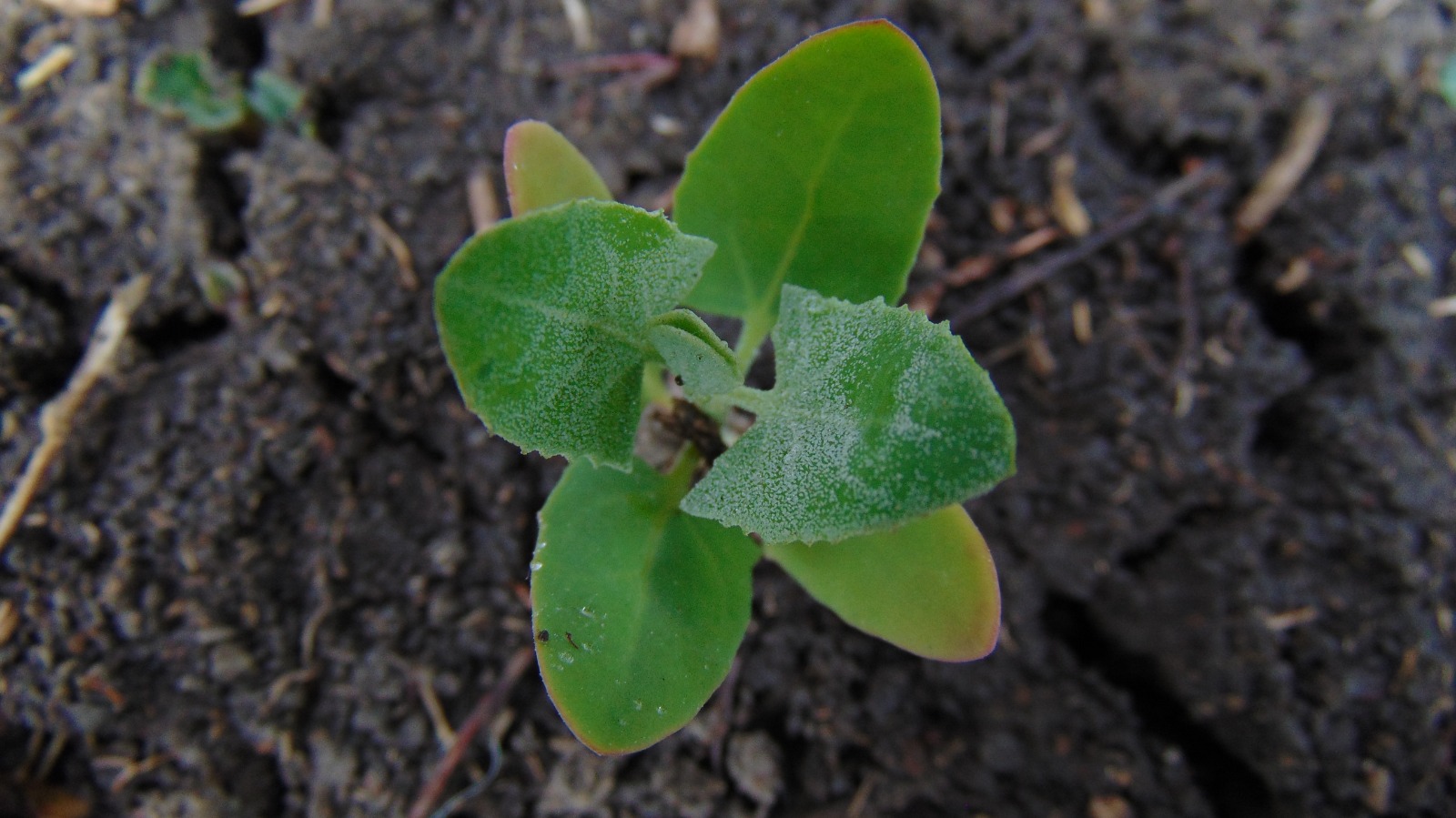
The objective of this study was to apply and evaluate techniques to improve the quality of photographic images of weeds in their early phenological stages, given that their development competes with horticultural crops. The methodology consisted of field trips in different seasons of the year, in fruit and vegetable crop plots in the Lower Río Negro Valley (VIRN). Plant individuals in their cotyledonary stage were selected and prepared by clearing the environment, homogenizing the soil, and controlling natural light using reflective and diffusing screens. Photographs were taken with cell phones and a semi-professional camera in high resolution in JPG and HEIC formats for later editing. The results show that the application of simple strategies such as the use of a black background, soil homogenization, appropriate lighting selection, and the elimination of extraneous elements significantly improved image quality. Furthermore, the use of Photopea software allowed for the optimization of parameters such as brightness, contrast, and white balance while maintaining the visual fidelity of the specimens. The images obtained are suitable for use in educational materials and botanical identification. It is concluded that the combination of photographic, environmental, and digital editing techniques allows for the production of high-quality images that accurately capture the distinctive features of plants. These practices are especially useful for the development of plant recognition manuals and can be extended to other areas of biological and agricultural sciences, improving visual documentation in the early stages of plant development.
Downloads
References
Gardner, R. y Wolfe, A. (2005). Manual básico de fotografía al aire libre (1.ª ed., 216 pp.). Ediciones Desnivel.
Grilli Silva, J., Laxague, M., & Barboza, L. (2015). Dibujo, fotografía y Biología: Construir ciencia con y a partir de la imagen. Revista Eureka sobre Enseñanza y Divulgación de las Ciencias, 12(1), 91–108. Repositorio CFE. https://repositorio.cfe.edu.uy/bitstream/handle/123456789/402/Grilli%20Silva%3b%20Laxague%3b%20%20Barboza.%20art.pdf?sequence=2&isAllowed=y
Juárez, M., Gajardo, A., Avilés, L., & Bezic, C. (2022). Weed community composition in onion crop in agroecological transition. Revista REDIUN, 4(1), e1–e17. https://doi.org/10.58755/rediun.v4i1.84
Mangandi, J. C. (2012). Fotografía: 10 pasos a seguir (1.ª ed., 44 pp.). Universidad Don Bosco. https://dokumen.pub/fotografia-10-pasos-a-seguir.html
Mishra, A. M., & Gautam, V. (2021). Weed species identification in different crops using precision weed management: A review. CEUR Workshop Proceedings, 2786, 1–7. http://ceur-ws.org/Vol-2786/Paper25.pdf
Naranjo-Moran, J., Vera-Morales, M., Solorzano-Muñoz, J., & Pino-Acosta, A. (2024). Fotografía botánica: Una herramienta para la educación artística en un remanente de bosque seco tropical, Guayaquil - Ecuador. Revista Ciencias Pedagógicas e Innovación, 12(1), 23–32.
Pariente Fragoso, J. L. (1990). Composición fotográfica. Teoría y práctica. Sociedad Mexicana de Fotógrafos Profesionales, A.C. https://www.academia.edu/718448/Composici%C3%B3n_fotogr%C3%A1fica_Teor% C3%ADa_y_pr%C3%A1ctica
Springer, A. (2012). El gran libro de la fotografía (1.ª ed., 169 pp.). Axel Springer España S. A.
Downloads
Published
Issue
Section
License
La Editorial de la Universidad Nacional de La Pampa (EdUNLPam) exigirá a los/as autores/as la firma del siguiente documento:
La EdUNLPam lleva a cabo la publicación del artículo: (Título del Artículo) en SEMIÁRIDA Rev.Fac.Agron UNLPam ISSN 2362-4337 (impresa) ISSN 2408-4077 (en línea), del cual el/los abajo firmantes son autores de una o más partes. En el mismo acto, el/los autores entregan exclusivamente a la EdUNLPam todos sus derechos protegidos por las leyes de propiedad intelectual que rigen en la Argentina para reproducir, publicar, editar, fijar, comunicar y transmitir públicamente en cualquier formato o medio impreso o electrónico, inclusive internet, el artículo enviado a publicación e incluirlo en índices o bases de datos nacionales e internacionales. A cambio, la EdUNLPam entrega a los autores la autorización para la publicación o reimpresión con ines académicos y educativos en cualquier libro o medio de divulgación, con la sola obligación de citar el artículo original publicado en la EdUNLPam. Cada autor acuerda en que el material provisto a la EdUNLPam es un trabajo original, que no ha sido impreso o publicado en cualquier otro medio con anterioridad y que no vulnera derechos de terceros. El Primer autor tendrá la posibilidad de leer y corregir el artículo ya editado como “prueba de galera”, pero si el autor no devolviera esas correcciones de la prueba de galera dentro del tiempo especificado, el proceso de producción y publicación podrá proseguir sin la aprobación del autor. El/los autor/es no recibirán compensación monetaria de la EdUNLPam por el uso del material contenido en este artículo y asumen la responsabilidad de las opiniones vertidas en él.






.png)



22.png)


.jpg)




.jpg)